Project Overview
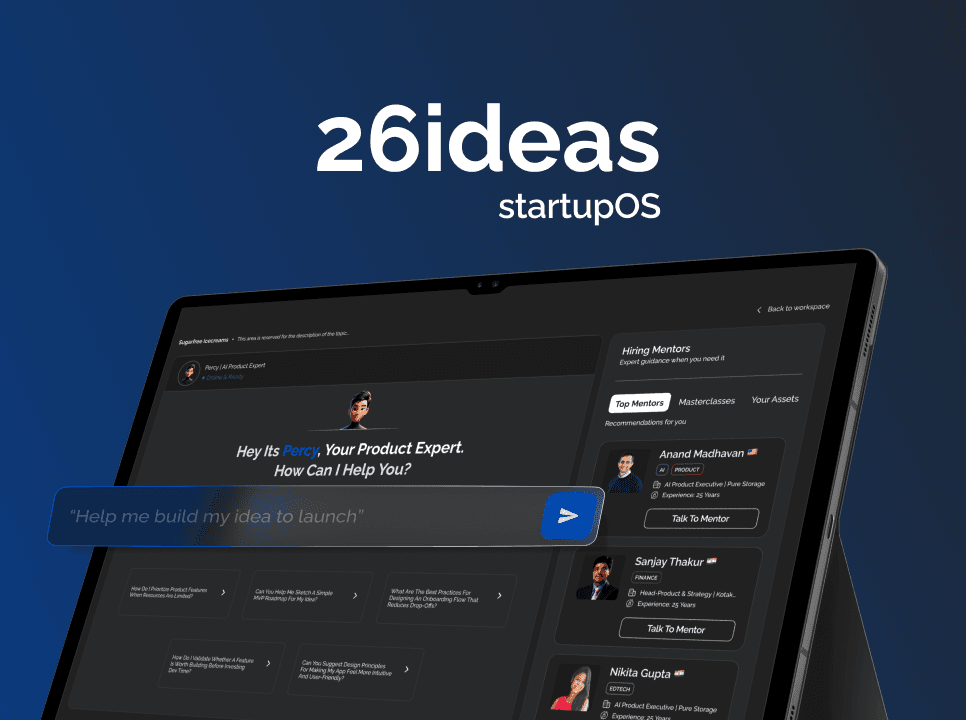
StartupOS is 26ideas’ AI-powered operating system for young founders, combining guided pathways, AI co-founders, and asset generation to help turn raw ideas into fundable, go-to-market-ready startups.
As Product & AI Lead, I owned the design and build of the AI co-founder system, Founder’s Vault, University event flows, learning pathways, and User/Marketing communications, serving 950+ founders by the end of my tenure.
Problem: intent without guidance
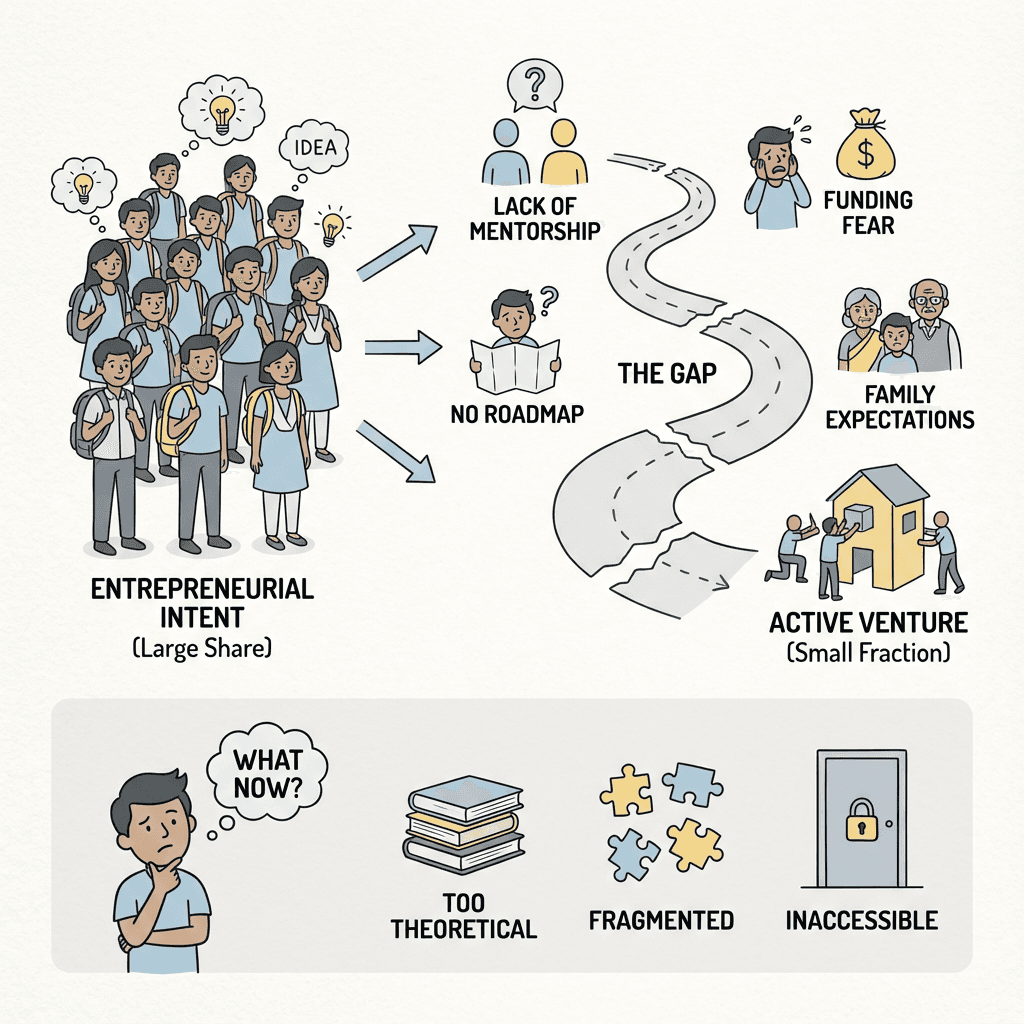
Research and surveys show that a large share of Indian students express entrepreneurial intent, yet only a small fraction actively build and commit to a venture, often due to lack of mentorship, structured roadmaps, and fear around funding and family expectations.
Most first-time founders don’t know what to do after “I have an idea”, and existing support is either too theoretical, too fragmented, or inaccessible.
StartupOS set out to answer a simple question: how can a young founder get a clear, step-by-step path from idea to execution, without needing constant 1:1 hand-holding?
Version 1.0: guided pathway to a business narrative
The first incarnation of StartupOS was a structured, 24-module online pathway (then called the Young Founders Program).
Each module combined a short lesson plus curated external content, followed by a conversation with an AI assistant that asked targeted questions about the founder’s problem, customer, solution, and model.
Every answer was stored and tagged by topic.Once a founder completed all 24 modules, the system compiled and evaluated their inputs to generate an Amazon style “Business-Ready Narrative” inspired by the book 'Working Backwards; The Amazon Way'— a coherent articulation of their startup that could feed directly into decks, pitches, and applications.
Evolving into startupOS and Introducing AI Co-founders
As usage grew, we realized founders needed ongoing, domain-specific support beyond a single linear course.
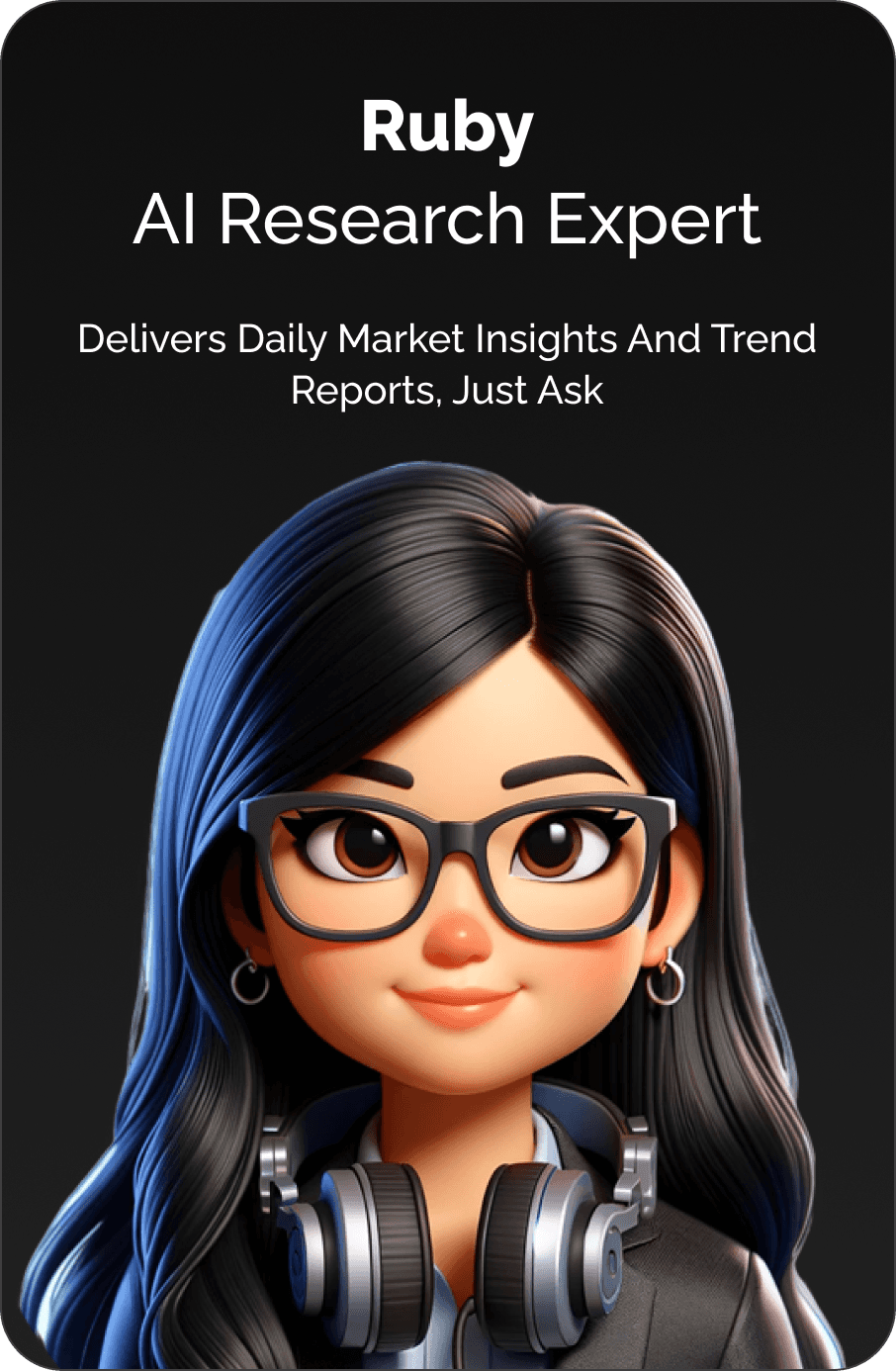
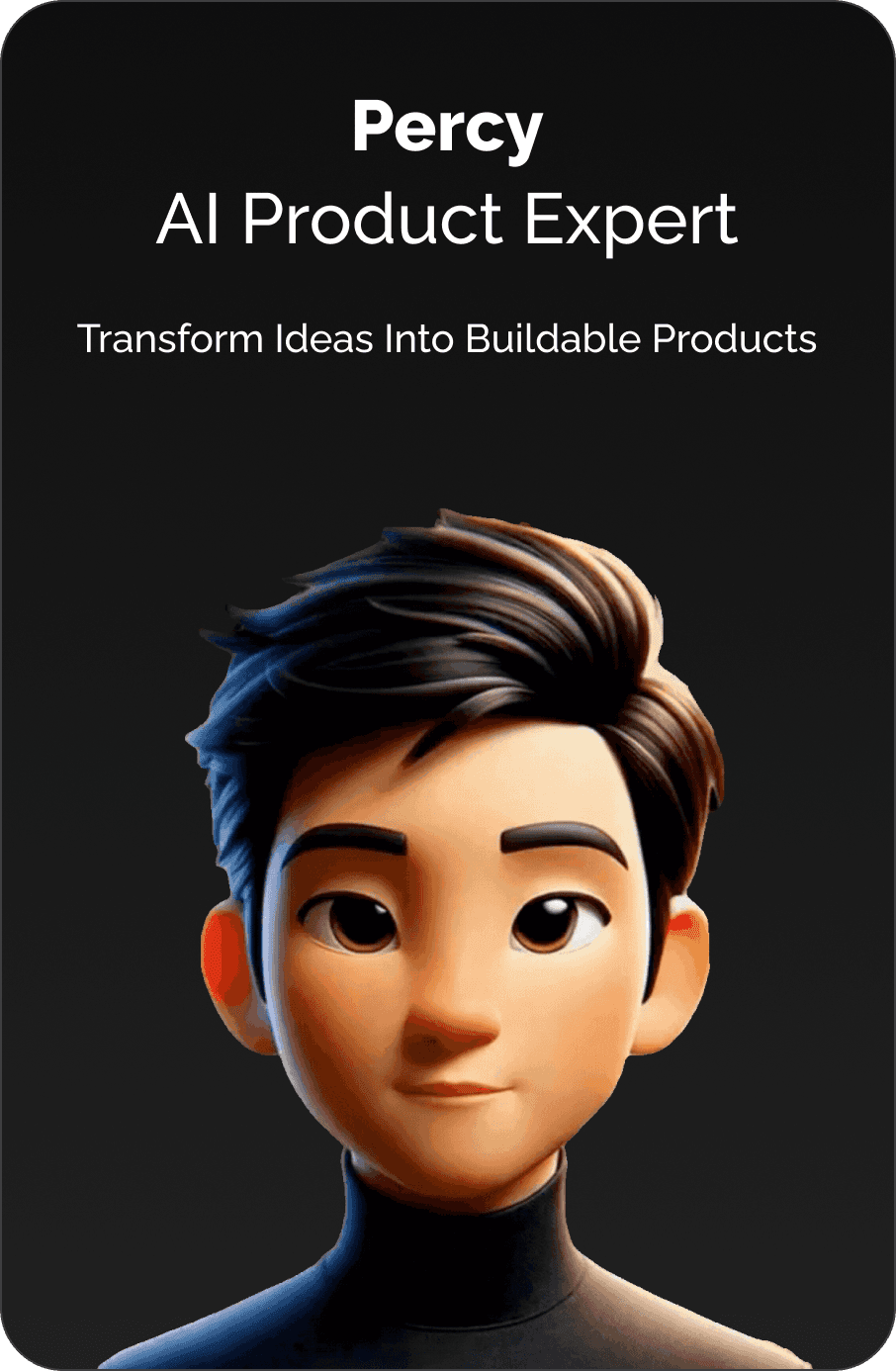
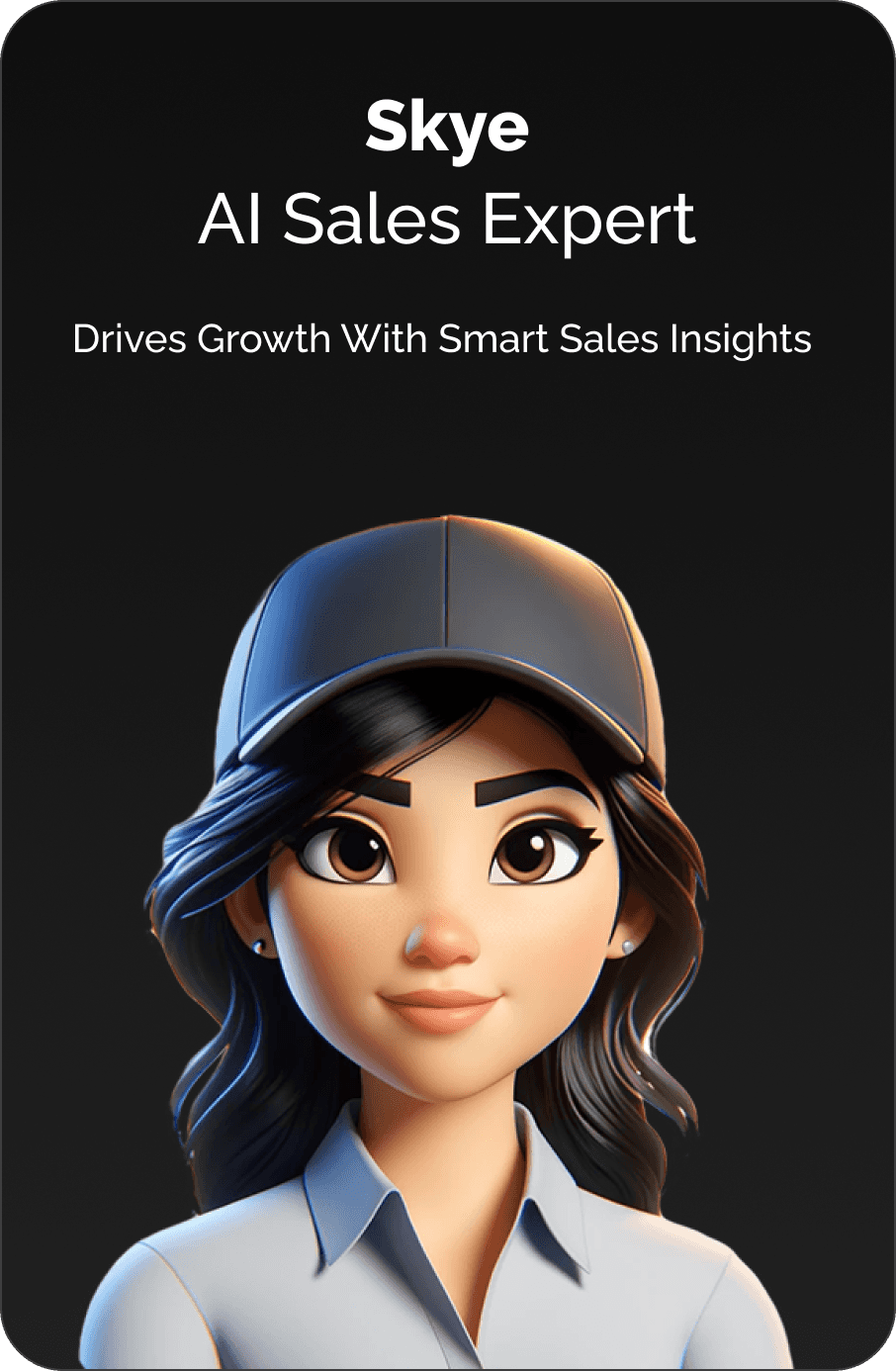
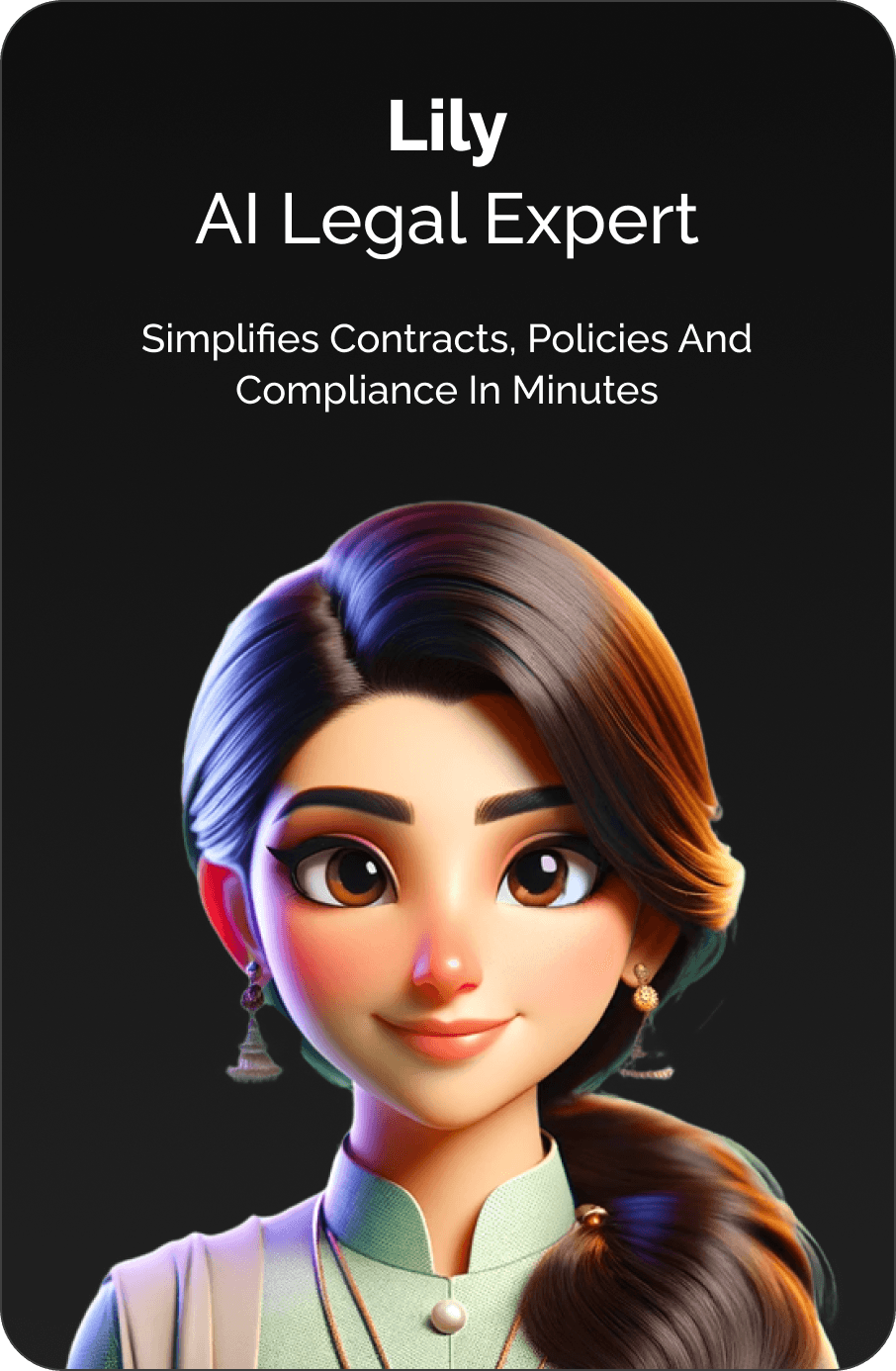
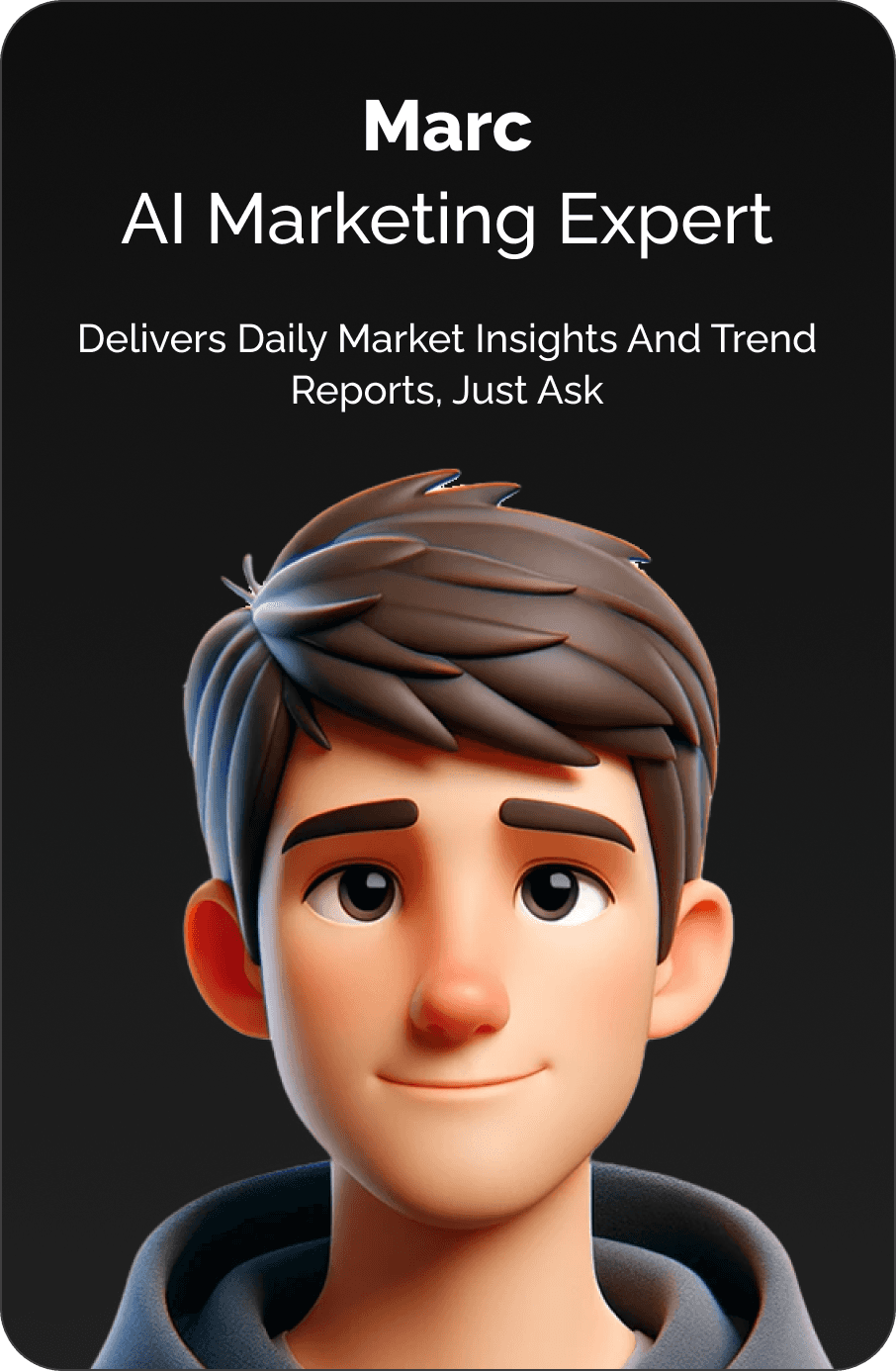
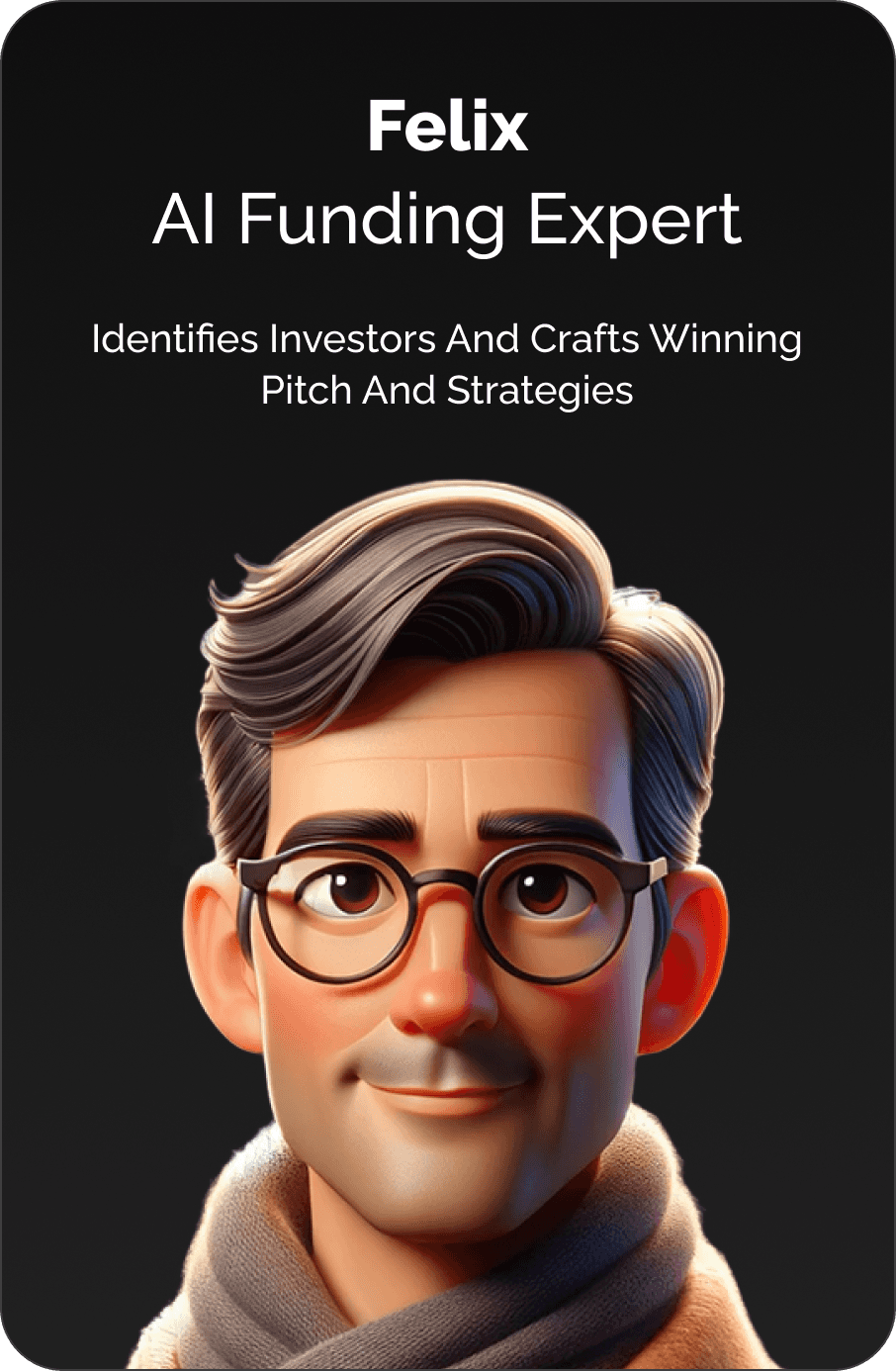
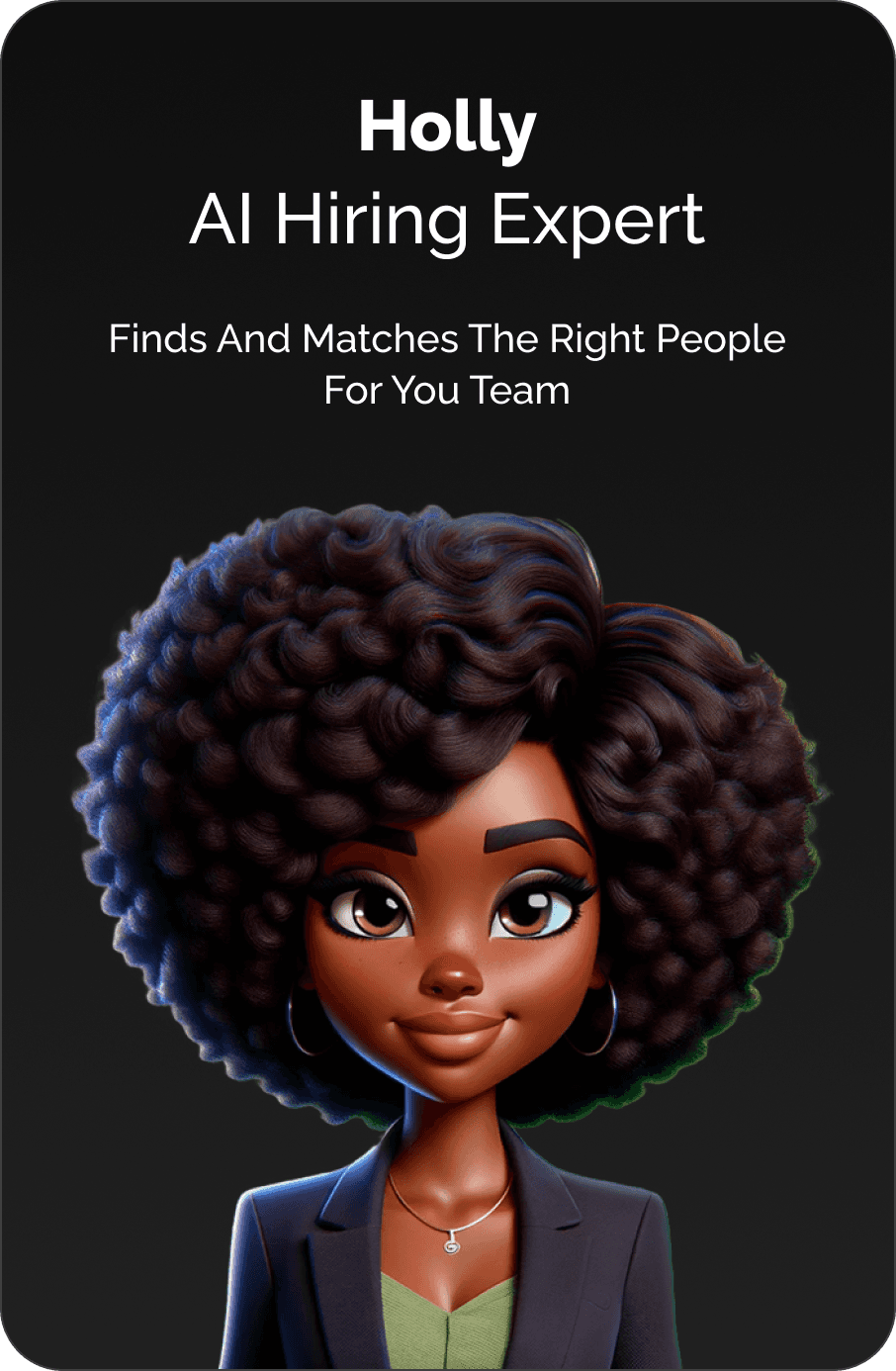
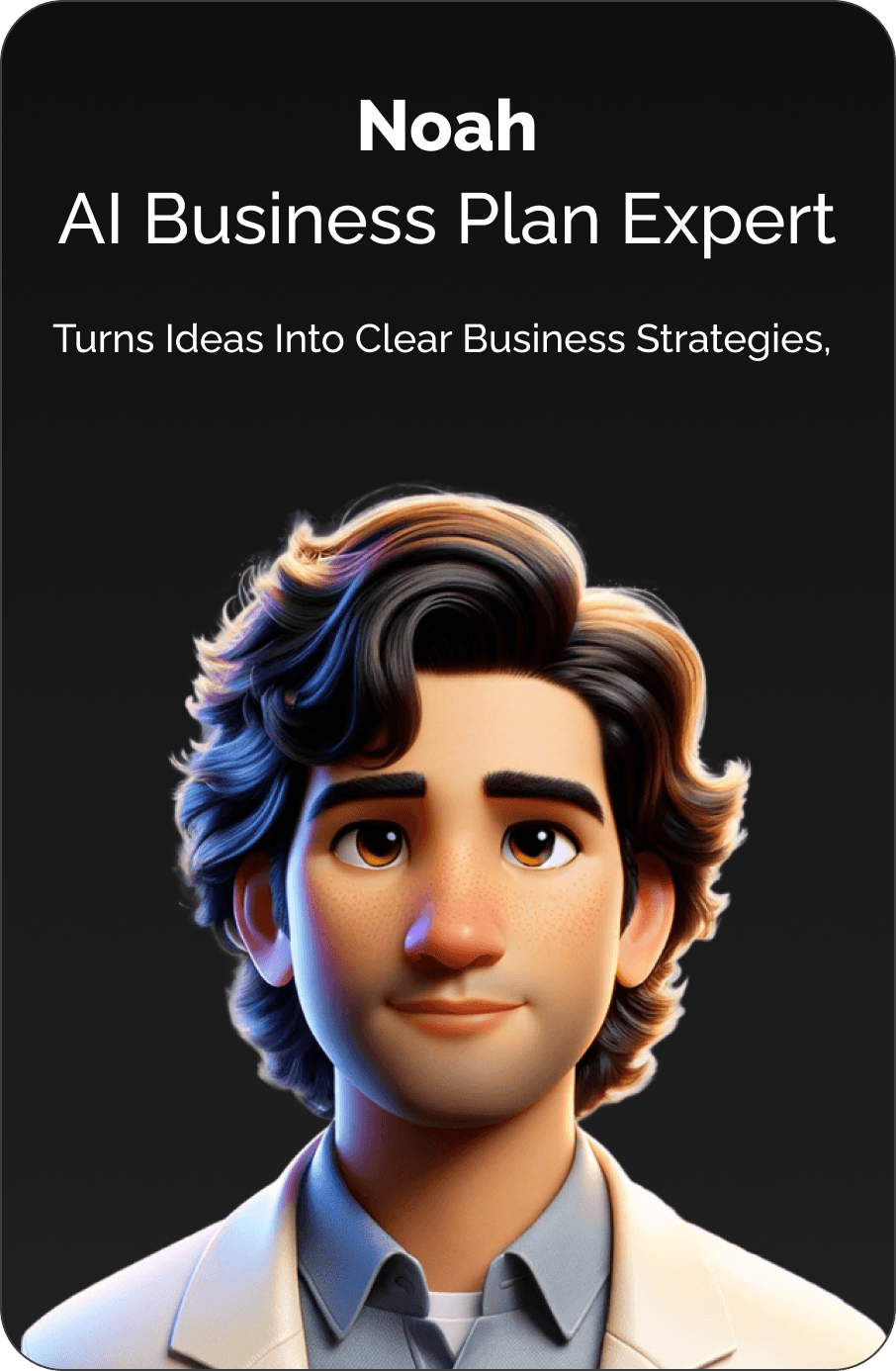
This led to the creation of StartupOS and its seven AI “co-founders”, each representing a core function: Research, Product, Sales, Marketing, Hiring, Funding, and Legal.
My responsibilities here included:
Defining the scope, personality, and boundaries for each AI co-founder
Crafting 8–10 pages of domain prompts per assistant, plus uploading 9–10 relevant books/resources into their knowledge base
Designing guardrails so each co-founder only answered within its domain and redirected off-topic queries to the right assistant
The result was an always-on, multi-expert support system that founders could tap into as they moved from idea to MVP, distribution, team-building, and beyond.
Founder’s Vault: AI-generated startup assets
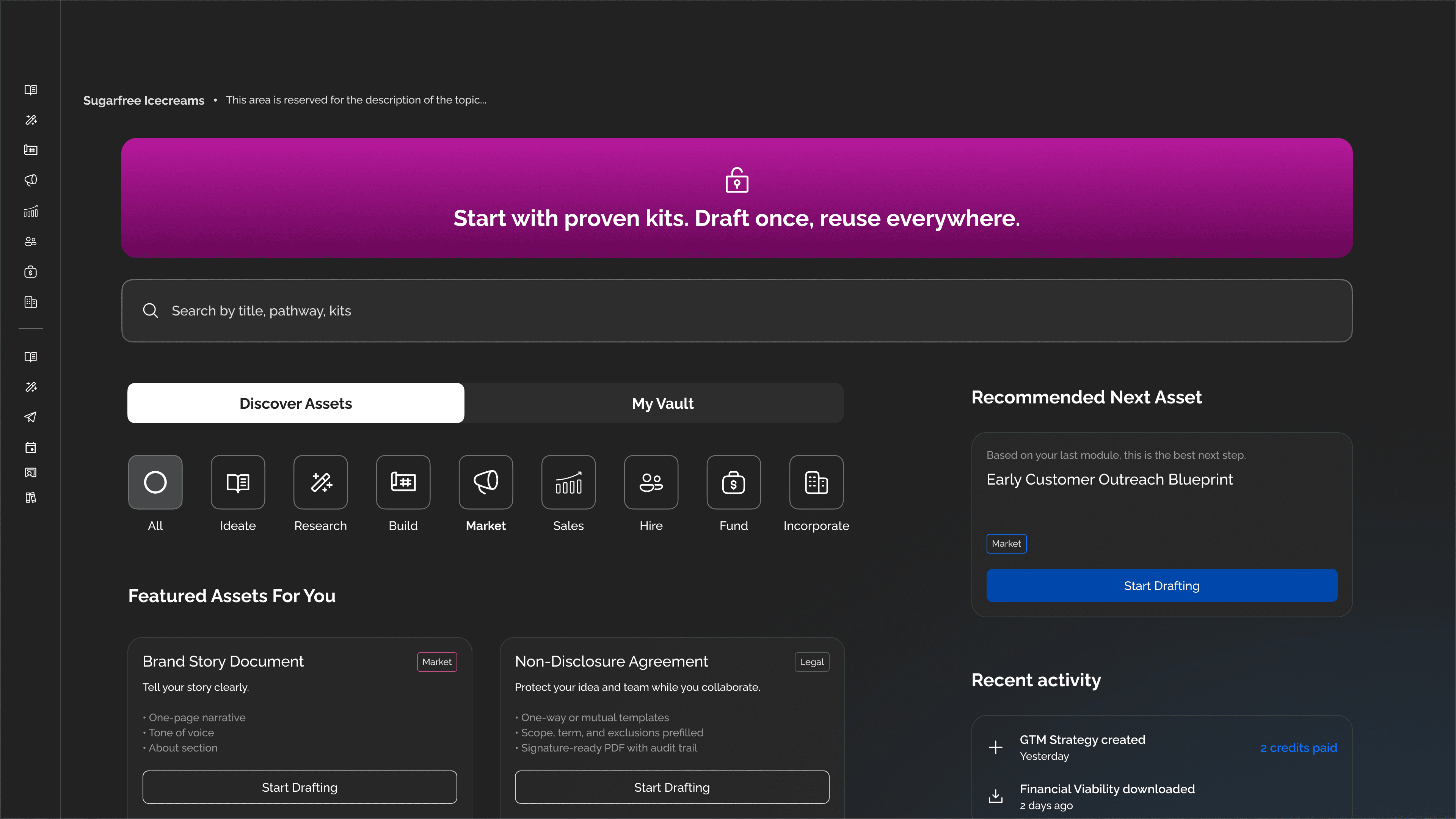
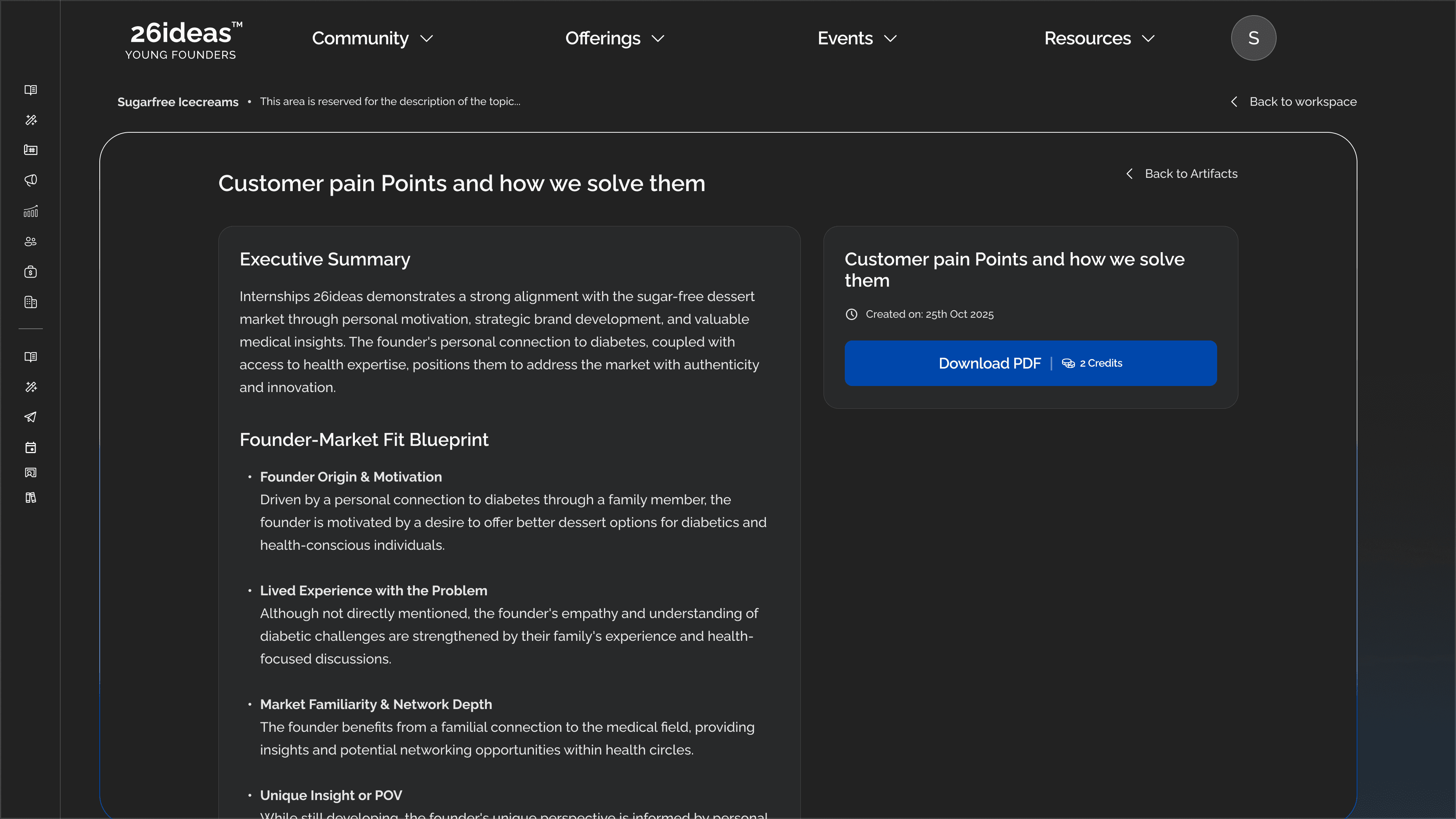
To move founders from “advice” to tangible output, we built the Founder’s Vault: a library of AI-powered asset generators for documents founders actually need.
These included items like PRDs, user survey questionnaires, sales battle cards, one-minute elevator pitches, JDs, offer letters, and termination letters.
Product responsibilities here:
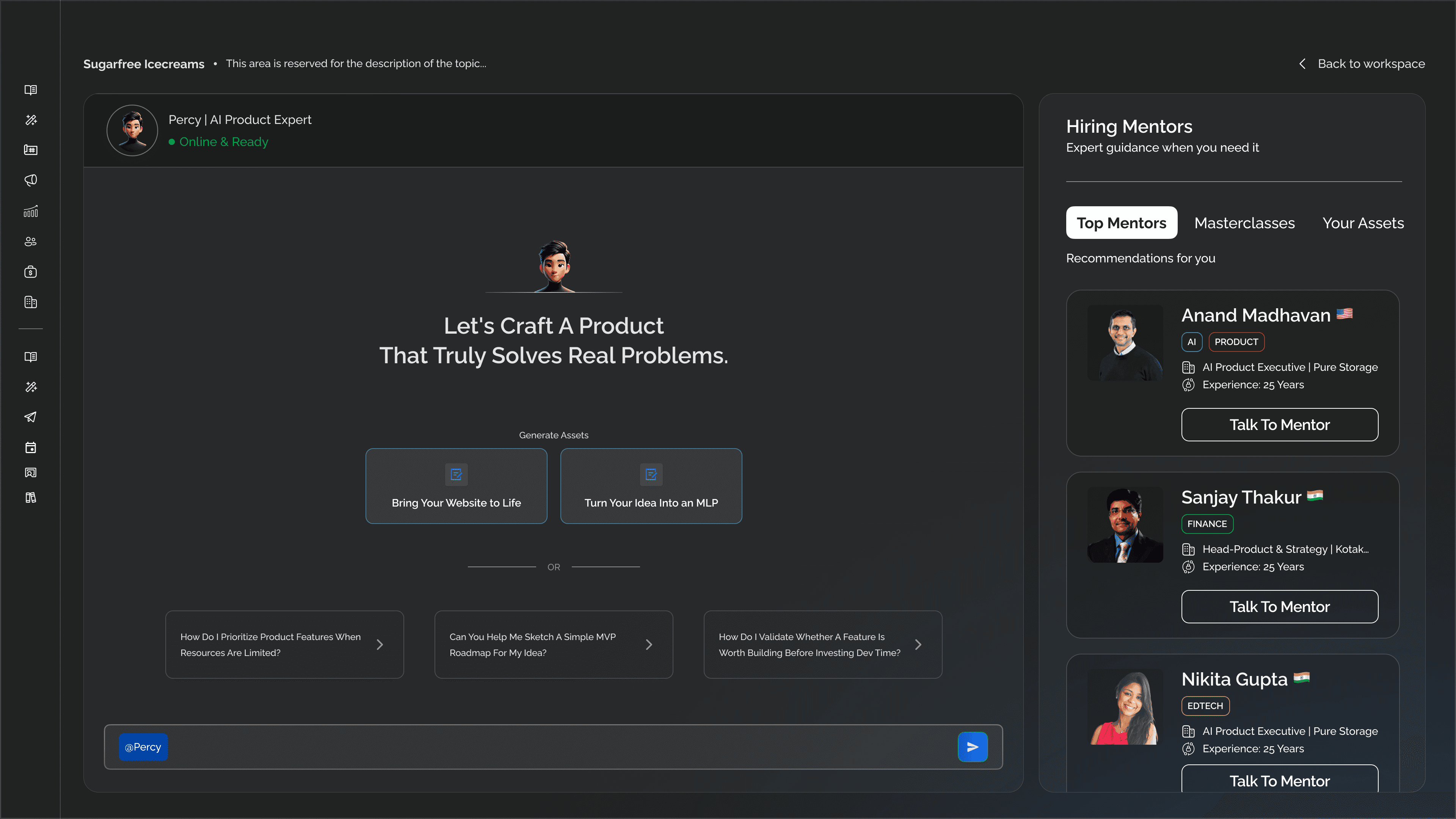
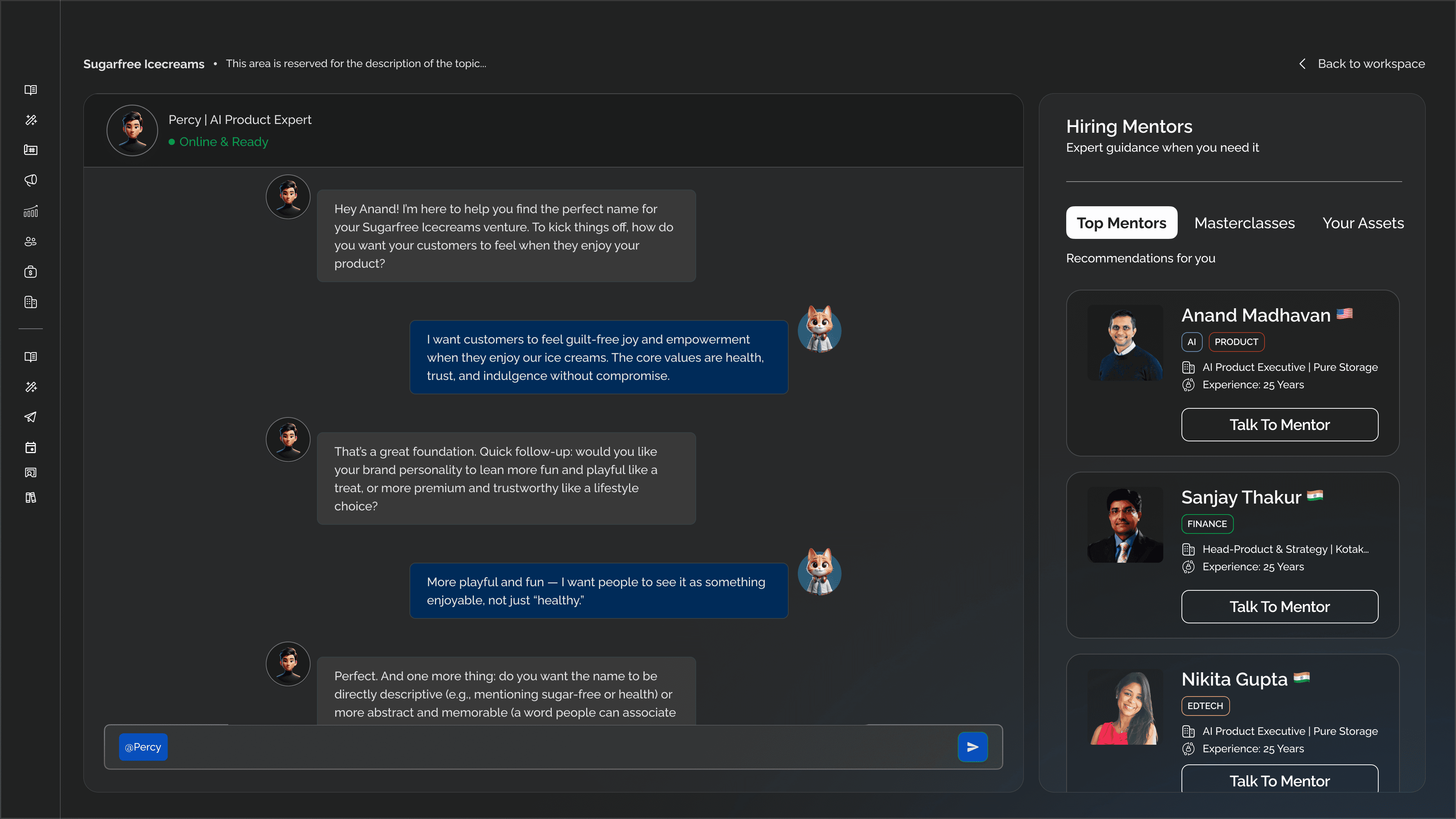
Designing the interaction model where founders would brief a relevant AI co-founder (e.g., Product co-founder “Percy” for PRDs)
Defining question flows each asset generator needed to run through before drafting a document
Writing 5–6 pages of prompt logic per asset on how to interpret user inputs and structure the final output
Founders could now walk in with an idea and walk out with structured, ready-to-edit documents instead of blank pages.
Pathways 2.0: scalable, AI-produced learning
Beyond the original 24-module course, we expanded into multiple focused pathways that targeted specific pain points in a founder’s journey. I led the design and build of these pathways, using AI to draft scripts and Synthesia to produce instructor-style videos at scale.
Key aspects:
Created 120+ modules covering topics from problem validation to GTM and hiring
Used AI to generate initial scripts and Synthesia to create video lessons, then manually reviewed and refined content with the co-founder
Ensured each pathway connected back to practical tasks, assets, or co-founder conversations
This let StartupOS offer breadth of content without sacrificing speed of production.
GTM: partnering with universities and events
For go-to-market, StartupOS positioned itself as a knowledge and tech partner to colleges and universities running startup events and hackathons. [9]
The idea: students would discover StartupOS while registering for campus events, then stay to build their startups using AI pathways and co-founders.
I designed and implemented:
An event listing and registration flow where institutions could host their competitions on StartupOS
A structured application questionnaire capturing what participants were building and how far along they were
AI-based evaluation logic that scored applications for relevance, depth, and seriousness, helping colleges shortlist participants faster
This solved a real pain for institutions (manual judging overhead) while feeding qualified, idea-stage founders directly into the product.
Communications: journeys, lifecycle, and growth
In parallel to product flows, I owned user and marketing communications for StartupOS.
This included mapping the user journey from signup to active use of co-founders and Vault, then defining triggers where emails or nudges should go out.
Execution highlights:
Drafted and structured lifecycle email journeys in Mailmodo, aligned with milestones like first login, first asset generated, pathway progress, and inactivity
Collaborated with the founder on social media creatives, Instagram posts, and ads to drive traffic to specific offerings and events
Ensured tone and content stayed consistent with the brand’s “young, ambitious, AI-powered mentor” positioning
These comms helped convert curious visitors into engaged founders and kept them moving through the product.
Impact and outcomes
By the end of this phase, over 950 founders had logged into StartupOS, created ideas, interacted with AI co-founders, taken pathways, and generated startup assets.
The product evolved from a single structured program into an integrated operating system that combined learning, mentorship, asset creation, and event workflows in one place.
For the portfolio, this project demonstrates:
System-level product thinking (pathways + AI co-founders + assets + events + comms)
Deep prompt and AI-assistant design experience
The ability to turn messy, high-intent user behavior into clear journeys and tangible outcomes.